

Do you know that your gut is often referred to as the “second brain,”?
It plays a pivotal role in your overall health.
Beyond digestion, the gut microbiome- complex community of microorganisms living in your digestive tract- affects immunity, mental health, and even weight management.
Understanding this intricate relationship can empower you to make choices that enhance your well-being.
So without wasting time, Let’s understand what gut health is:
What is Gut Health?
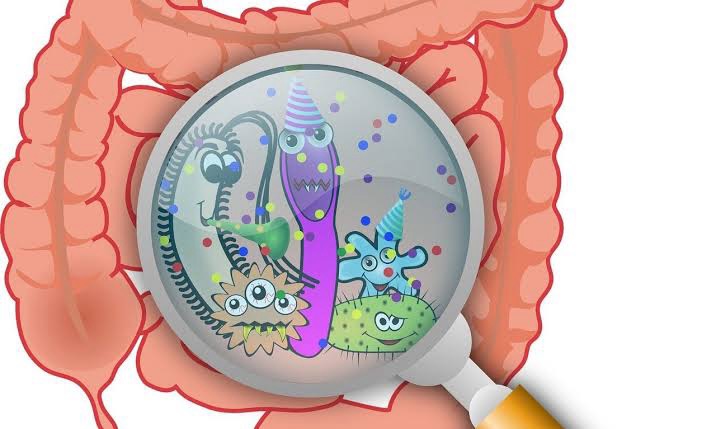
Gut health encompasses the optimal functioning of your digestive system and the balance of microorganisms within it.
These microbes include bacteria, fungi, and viruses, which are essential for various bodily functions.
A balanced gut microbiome is crucial for maintaining overall health and preventing disease.
So, Let’s understand how microbiome affect different aspects of our health.
How Gut Health Affects Your Body
1. Digestion and nutrients absorption:

A healthy gut microbiome ensures efficient digestion and nutrient absorption.
Beneficial bacteria aid in breaking down food, synthesising vitamins, and facilitating the absorption of nutrients.
Disruptions in this balance can lead to digestive issues such as:
– Bloating and Gas: Imbalances can cause excessive fermentation and gas production.
-Constipation or Diarrhoea : A lack of beneficial bacteria can slow down or speed up bowel movements.
-Malabsorption: Inadequate nutrient absorption can lead to deficiencies and related health issues.
2. Immune System Support:

The gut houses approximately 70% of your immune system.
The gut-associated lymphoid tissue (GALT) interacts with the gut microbiome to regulate immune responses.
Key aspects include:
– Pathogen Defence: Beneficial bacteria outcompete harmful pathogens and produce antimicrobial compounds.
– Inflammation Control: A balanced microbiome helps regulate inflammation, reducing the risk of chronic inflammatory conditions.
3. Weight Management:

Emerging research suggests that gut bacteria play a role in metabolism and fat storage.
Key points include:
– Energy Harvesting: Certain gut bacteria are more efficient at extracting energy from food, which can influence weight gain.
– Fat Storage Regulation: Microbiome composition can affect how your body stores fat, impacting obesity risk.
4. Mental Health and Mood:
The gut-brain axis is a communication network linking the gut and the brain through biochemical singnaling.
Gut bacteria produce neurotransmitters like serotonin and gamma-aminobutyric acid (GABA), which influence mood and mental health.
An unhealthy gut can contribute to:
– Anxiety and Depression: Imbalances can affect serotonin levels, influencing mood disorders.
– Stress Response: Chronic stress can alter gut bacteria, exacerbating mental health issues.
Given the impact gut health has on overall health and wellbeing, it’s imperative to take proactive steps to nurture your gut microbiome.
Tips for Improving Gut Health
1. Eat a Diverse Diet

Incorporating a variety of foods supports a diverse gut microbiome.
Key components include:
– Fruits and Vegetables: Rich in fibre,vitamins, and antioxidants.
– Whole Grains: Provide prebiotic fibres that feed beneficial bacteria.
– Lean Proteins: Support overall health and muscle maintenance.
2. Include Probiotics and Prebiotics

Probiotics are live beneficial bacteria found in fermented foods.
Prebiotics are fibres that feed these bacteria. Examples include:
– Probiotics: Yogurt, kefir, kimchi.
You can buy it from here.
– Prebiotics: Garlic, onions, bananas, asparagus.
You can buy it from here.
3. Stay Hydrated

Adequate water intake supports digestion and helps maintain the gut lining, promoting overall gut health.
4. Exercise Regularly

Physical activity enhances gut motility and supports a diverse microbiome.
Benefits include:
– Improved Digestion: Exercise stimulates intestinal activity.
– Microbiome Diversity: Regular exercise promotes a healthier, more diverse microbiome.
5. Manage Stress

Chronic stress negatively impacts gut health. Effective stress management techniques include:
– Meditation and Mindfulness: Promote relaxation and reduce stress hormones.
-Yoga and Deep Breathing: Help calm the nervous system and support gut-brain communication.
Conclusion
Maintaining gut health is essential for overall wellness.
By recognizing the profound impact of the gut microbiome on digestion, immunity, mental health, and weight management, you can take proactive steps to support a balanced gut.
Embrace a nutritious diet, regular exercise, proper hydration, and stress management to enhance your gut health and overall well-being.
 Krinal’ health blogs
Leave a comment